About the Initiator & Project Goal
Hello, I'm Julian (47). With a strong practical background in technology, DIY, and building systems, I am initiating a fresh, independent homestead project in the UK. Rather than joining an existing intentional community with pre-set rigid structures, this project aims to bring together a founding group to purchase 10 to 12 acres of land and co-create a self-sufficient, low-impact homestead from the ground up.
The 10–12 Acre Land Plan
Acquiring a plot with a main house or stone ruin to convert into shared communal hubs (kitchen, dining, laundry, and bath facilities) alongside outbuildings for workshops and storage.
Private Allocation
Dividing the remaining acreage into private zones where members can set up individual low-impact cabins, eco-structures, or mobile living quarters with private gardens.
Balanced Governance
Light-touch management focused on kindness, cleanliness, and responsibility, avoiding over-bureaucratic rules while maintaining clear personal boundaries.
Site Concepts & Imagery
A look at the key elements of land, infrastructure, and the physical gateway to shared co-ownership.
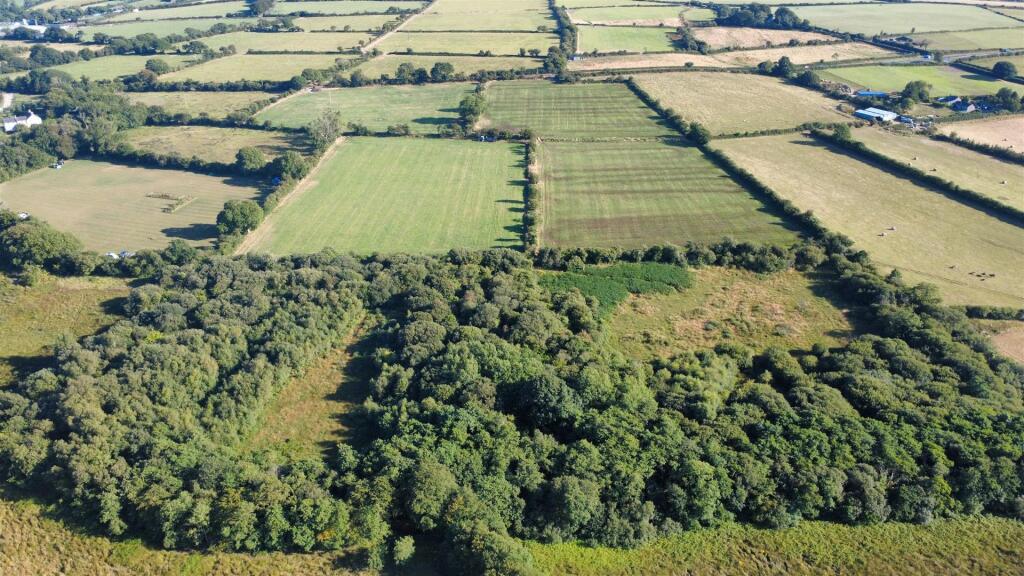
10–12 Acre Aerial View
Ideal combination of open fields, mature hedgerows, and woodland patches.
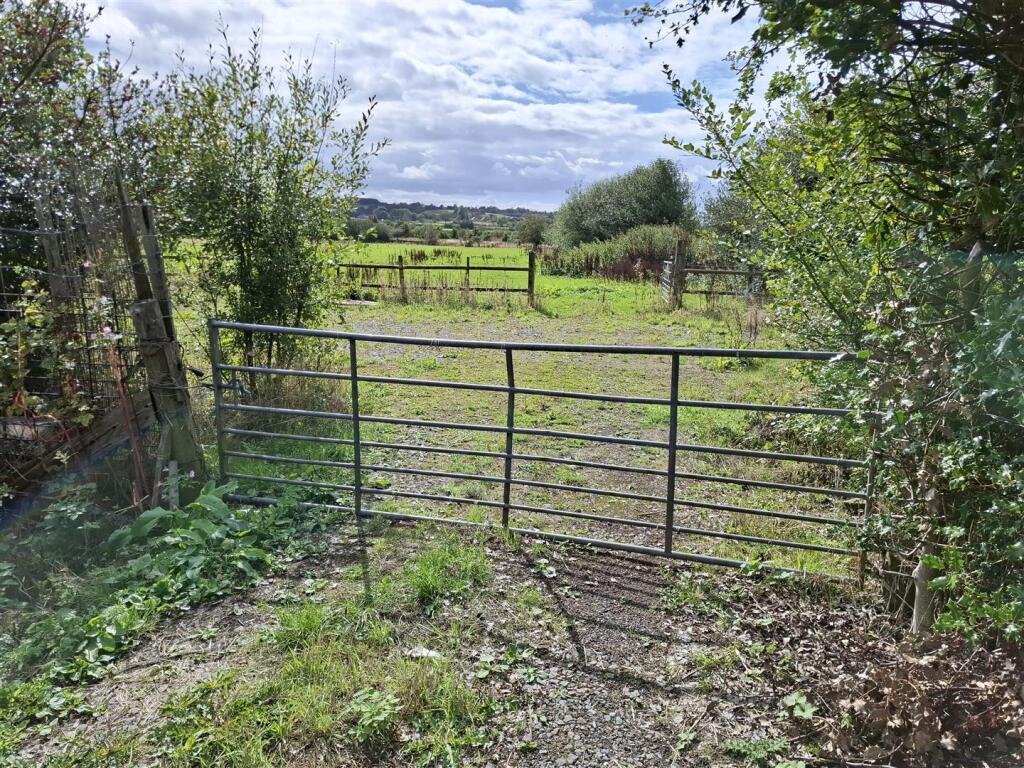
Gateway to Shared Ownership
Symbolizing collective ownership, pooled financial capital, and mutual entry agreements.
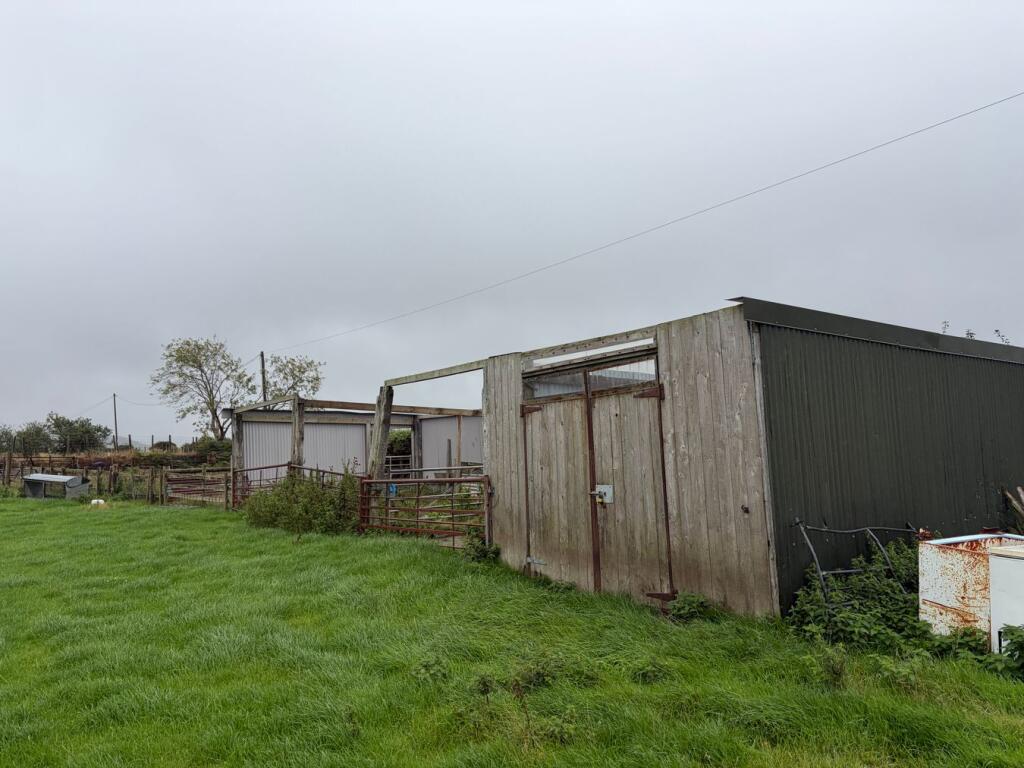
Outbuildings & Workshops
Existing structures adaptable for shared workshops, tool storage, and energy systems.

Woodland Management
On-site timber for sustainable firewood, heating, coppicing, and natural screening.
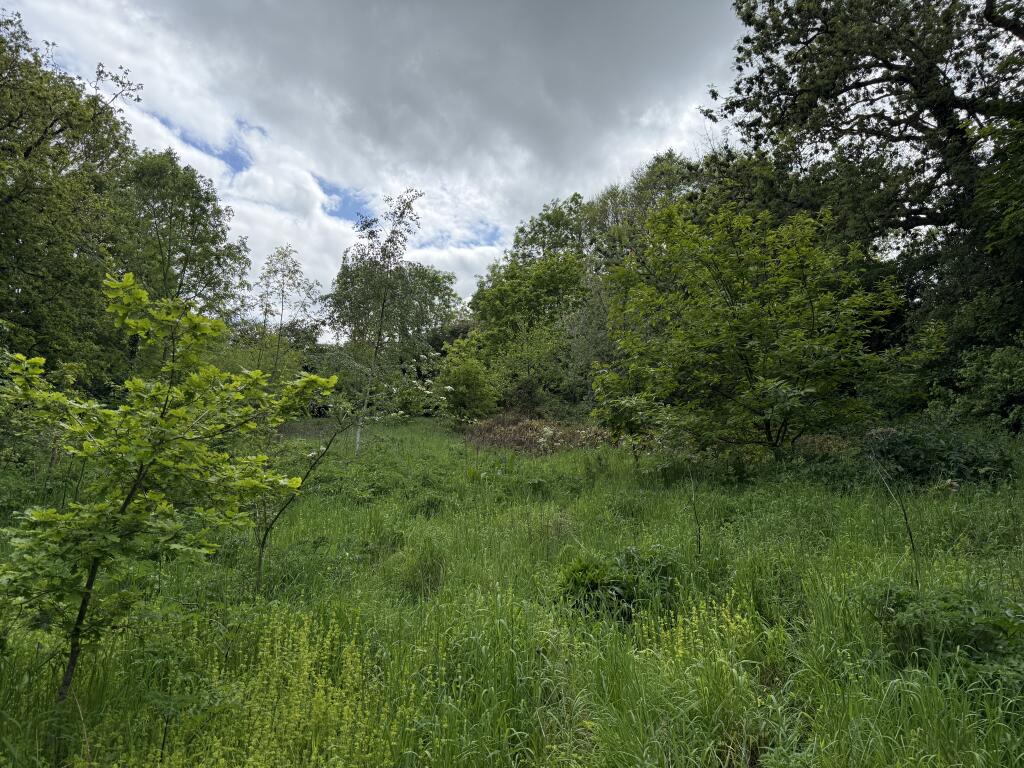
Cultivation & Biodiversity
Blank canvas space ready for organic vegetable gardens, orchards, and livestock.
Co-Designing Community Framework & Agreements
We believe community agreements should be co-created by the founding members rather than dictated beforehand. Here are the key areas open for collaboration:
1. Family & Social Dynamic
Proposed Guidelines: Welcoming to families, couples, and individuals alike. Establishing shared safe areas for children while respecting quiet adult zones.
2. Noise & Quiet Hours
Proposed Guidelines: Practical quiet hours (e.g., 10 PM to 7 AM). Advance notice for heavy machinery, power tool usage, or social gatherings.
3. Financial Buy-In & Legal Structure
Proposed Guidelines: Direct equity shares based on initial land purchase contribution. Shared maintenance fee pool for property taxes, road upkeep, and utility maintenance.
4. Exit Strategy & Selling Your Share
Proposed Guidelines: First-right-of-refusal to existing members to buy back shares, followed by an open vetting process for new incoming buyers to preserve group harmony.
5. Site Cleanliness, Rubbish & Recycling
Proposed Guidelines: Strict zero-litter policy in common areas. Organized central waste, recycling, and composting stations managed on a rotating rota.
Have Ideas or Want to Get Involved?
We want to hear your thoughts, feedback, and suggestions on these proposed framework points or any other ideas you have for the project.
Email Your Ideas to Julian